TLDR: 3 Takeaways from this Post:
Activity isn’t nearly as interesting as a point of view. Share what you made of it and why it matters
Make it worth the reader’s while. Share something that helps them think differently, ask a better question, or feel understood.
Pause before you publish. Can you name your point of view, explain what the reader gets, and underline the interesting part? If not, keep working.
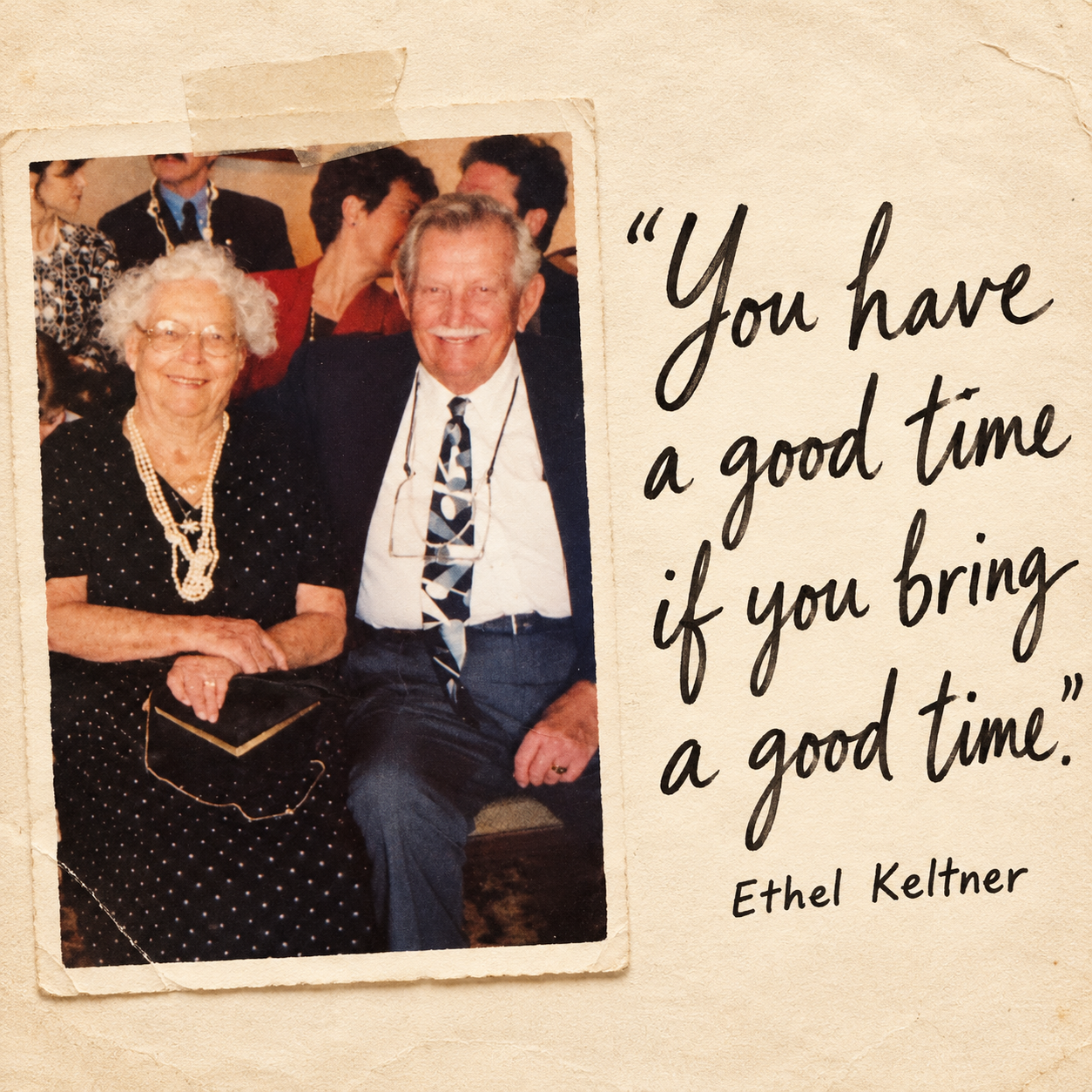
As my grandma would say, if you are bored, you are boring.
I like seeing my clients out in the world. Meeting people, sharing what they know, getting involved in the conversations that matter to their industries. Heck yeah, let’s show some of that.
Recently, we were working on content for a client who attends a lot of conferences. We wanted to highlight those events and the partners and people involved. There are good reasons to do that.
But looking at the posts together, we could see where this was heading.
“Excited to attend.”
“Great to connect.”
“Thanks for having us.”
Enh. A busy calendar, but not much for the reader.
I’ve written before about how awareness days and holidays can become a substitute for a content strategy. Conferences can lead us to the same place. So can awards, company announcements, and all the other things we think we should probably post about.
Something happened, so we write a post.
I get it. Keeping up with content is work, and having something to write about feels like progress. But before we publish, we must ask if what we are writing is worth reading.
Did a conversation change how you’re thinking about an issue? Are you hearing the same question from people across the industry? Did a partner do something you wish more organizations would try?
Tell us about that.
You can still share the photo. Tag the people. Thank the organizers. Give us a little of what made it worth being there.
What made it matter?
This is where you may need to go back and ask a few questions. The event name, attendee list, and photos tell you what happened. What should the reader take away from it?
Something I recently learned about storytelling helped me put my finger on this: the most important part of a story is how the experience changed you. The plot points give the reader context to understand that change But the change is the star of the show.
That makes sense to me. We’ve all listened to someone recount every detail of an experience, and stood there wondering, "Where is this going? Is there a point to this? When will it be over?"
Every LinkedIn post doesn’t need to be a hero’s journey. Please, no. Sometimes you just want to recognize a colleague or share something worth celebrating.
But there should be something in it for the reader. An observation that helps them see a familiar problem differently. A question they hadn’t thought to ask. An experience that puts words to something they’ve felt.
You gave this your attention. Here’s something worth taking with you.
“What happened?” might get you a recap. “What are you thinking about differently now?” gets you closer to the meaning.
Is it ready to publish?
Before you start rearranging sentences, make sure you’ve found the thing you actually want to say. Here are three quick tests:
What is my point of view? Finish this sentence: “What I want people to understand is…” Can you find that idea in the post, or is it still in your head? “I attended a conference” tells us what happened. What did you make of it? What has changed?
What am I giving the reader? Finish this sentence: “After reading this, someone might…” Think differently? Ask a better question? Try something? Feel understood? Be specific. “Know I attended a conference” isn’t enough.
Do I find this interesting? Underline the part you’d want to tell someone about at a party. An observation, a surprising detail, a useful example, an honest question. If there’s nothing to underline, you have more work to do.
If a post doesn’t pass, use the question you couldn’t answer to decide what it needs: a clearer perspective, a reason for the reader to care, or something specific that brings it to life.
And when it does? Check your facts. Give it a read. Hit publish.
Plenty to post, but unsure what it adds up to? I help connect your content to the brand you want to build. Let’s talk. Let’s talk.
Keep Reading