The Role Personas Play in B2B Growth
TLDR: 3 Takeaways from this Post:
Buyer personas shape brand execution. When they are assumption-driven, brands sound confident but fail to convert.
B2B pain points are systemic. Decisions ripple across teams, workflows, and risk, not just one buyer.
Real growth comes from understanding. Empathy-driven personas create relevance, trust, and momentum.
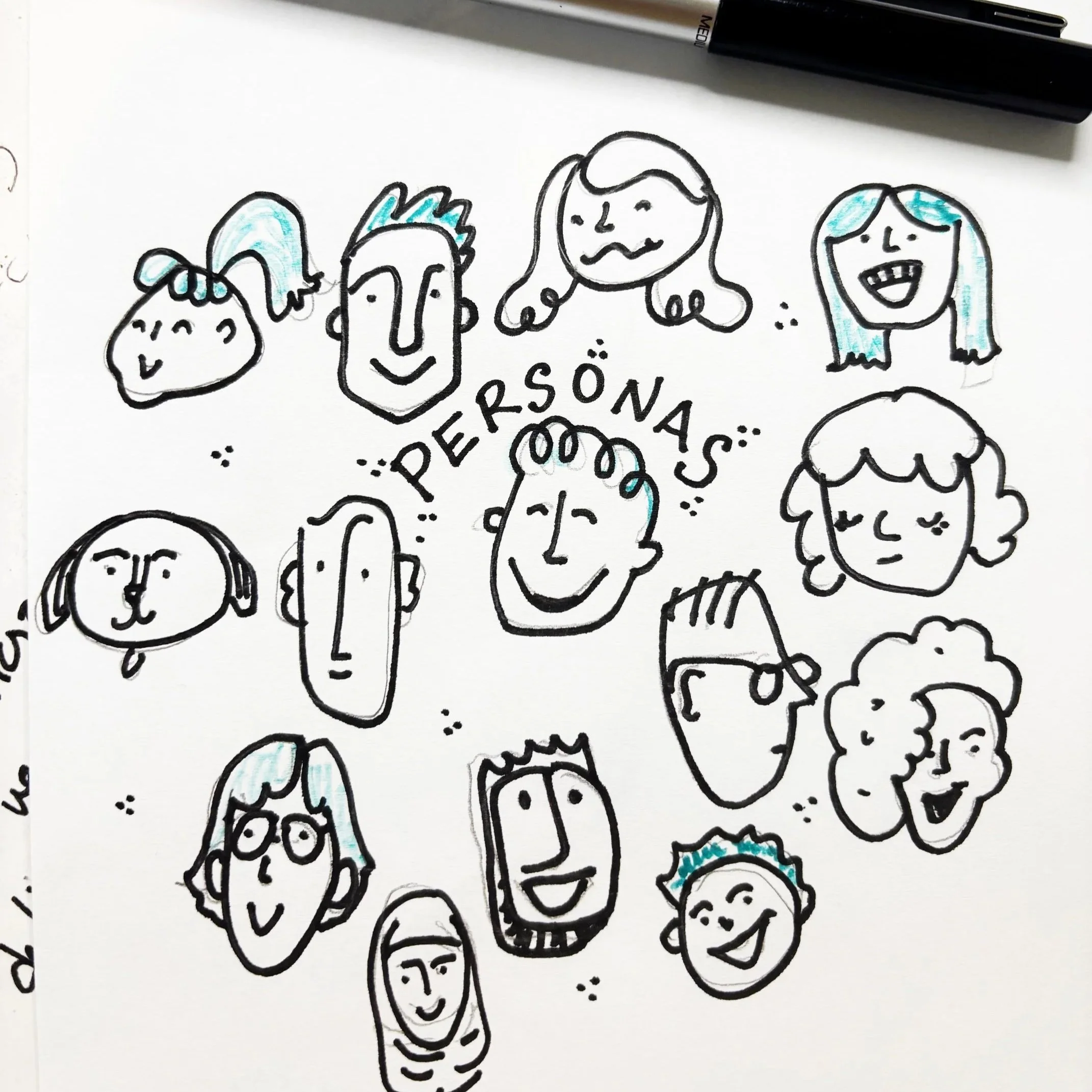
Which one are you?
Your Growth Depends on How Well You Understand Your Customer
Buyer personas are not a marketing exercise. They are brand infrastructure.
When companies misunderstand their buyers, the impact shows up everywhere. Messaging is generic. Campaigns don’t convert. Sales cycles languish. Growth is hard.
This is rarely a creative problem. It is a customer understanding problem.
Buyer Personas Are Part of Your Brand Infrastructure
Buyer personas can shape nearly every brand decision your company makes, including:
How positioning is written
Which customer problems are prioritized
Which stories are told and which are ignored
How salespeople frame conversations
Where marketing and sales focus resources
When personas are built from assumptions, brand execution reflects those assumptions back to the market. The result is a brand that sounds confident. But if the assumptions are off target, the brand also sounds out of touch.
Real-world example:
Google launches Google+. At the height of Facebook’s popularity, Google positioned itself as an alternative.
What happened? Despite being offered by a massive brand with enthusiastic customers, supported by a massive advertising campaign, and forced integration, Google+ failed and is now a distant memory.
Why? Google assumed its users would be excited to attach a social media platform to their existing Google identities, without accounting for how people separate their personal and professional selves on social media. Meanwhile, LinkedIn is booming.
How Personas Support Growth
Buyer personas are not the strategy. They are the foundation that makes strategy work. When personas are grounded in reality:
Messaging shifts from features to relevance
Outreach feels like recognition, not interruption
Sales conversations become more efficient
Brand trust builds faster
That trust is what allows growth to compound.
B2B Personas Require You To Rethink Pain Points
B2B pain points are rarely isolated. They are layered and interdependent. Do your personas reflect B2B complexity?
In professional services organizations, buyers must balance:
Competing priorities across departments and stakeholders
Capacity constraints and how work gets done
Internal alignment, decision authority, and accountability
Risk to client relationships, reputation, and delivery quality
Short-term pressure to move quickly versus long-term sustainability
Even when a decision formally sits with one role or function, the consequences ripple across the organization. Choices about partners, advisors, or service providers affect teams, workflows, margins, and client outcomes.
When B2B brands fail to reflect these interdependencies in their positioning and marketing strategy, growth stalls.
What a High-Impact B2B Buyer Persona Actually Covers
A strong buyer persona captures context, not just demographics. The best personas reflect:
How decisions fit into a buyer’s day and workload
Where influence actually lives, beyond job titles
What success and failure look like internally
The organizational constraints shaping decisions
The tradeoffs buyers are trying to manage
Without this context, even well-executed brand work struggles to resonate.
Buyer Persona vs ICP vs Target Audience
Clarity here prevents shallow growth. I’ve seen confusion bubble up over these distinctions and result in a hazy go to market strategy.
Ideal Customer Profile: Defines which companies you should focus on
Buyer Persona: Explains how people inside those companies think and decide
Target Audience: Describes reach, not decision-making
When these blur together, teams optimize for visibility instead of relevance.
Authentic Growth Starts With Understanding
Brand authenticity is not about tone or visuals. It is about whether your brand reflects a real understanding of the customer’s world.
Buyer personas are a tool, not an end in themselves. I use them to help companies grow by deeply understanding the customers they are trying to reach.
When buyer personas are grounded in empathy and context, brand execution becomes clearer, growth becomes more sustainable, and teams stop guessing.
If your brand execution feels polished but your growth feels harder than it should, it may be time to revisit how well you truly understand your buyer. Start there. Happy to chat.
Keep Reading