Four Funnel Traps Costing You Customers
TLDR: 4 Takeaways from this Post:
Most companies don’t have a lead generation problem. They have a customer experience problem caused by friction deeper in the funnel.
Don’t try to document every possible customer journey. Start with the most common path and focus on visibility, not perfection.
Journey mapping is not just about documenting steps. You must also understand what customers want, what frustrates them, and where momentum disappears.
Optimize for internal operations instead of customer experience at your peril. Customers notice when the process feels confusing, slow, fragmented, or difficult.

Sharing is caring.
When sales are stalling, most companies assume they have a lead generation problem. In reality, they probably have a customer experience problem.
In this post, you’ll learn how to identify friction inside your funnel, why more leads won’t fix a broken customer journey, and a simple framework for diagnosing where customers are getting stuck, confused, or dropping out.
This is especially important in B2B and professional services, where buying decisions are complex, emotional, political, and high-risk. Buyers interact with a brand 16 to 27+ times before making a decision, and some purchases involve more than 60 interactions. In many cases, buyers complete 60–70% of their research before ever contacting a company directly.
How much friction do they encounter during that self-service phase of the journey?
Research also shows that:
71% of buyers describe their experience with supplier reps as frustrating
54% of buyers will switch suppliers because of poor digital experiences
51% will switch if they struggle to connect with the right person
Friction in the customer journey can reduce conversions by as much as 43%
Buying is a process. But buying is also an experience. And that experience matters more than many organizations realize.
Funnels rarely fail all at once. They leak slowly and expensively. So let's talk about the traps.
Funnel Trap #1: The Top of Funnel Fixation
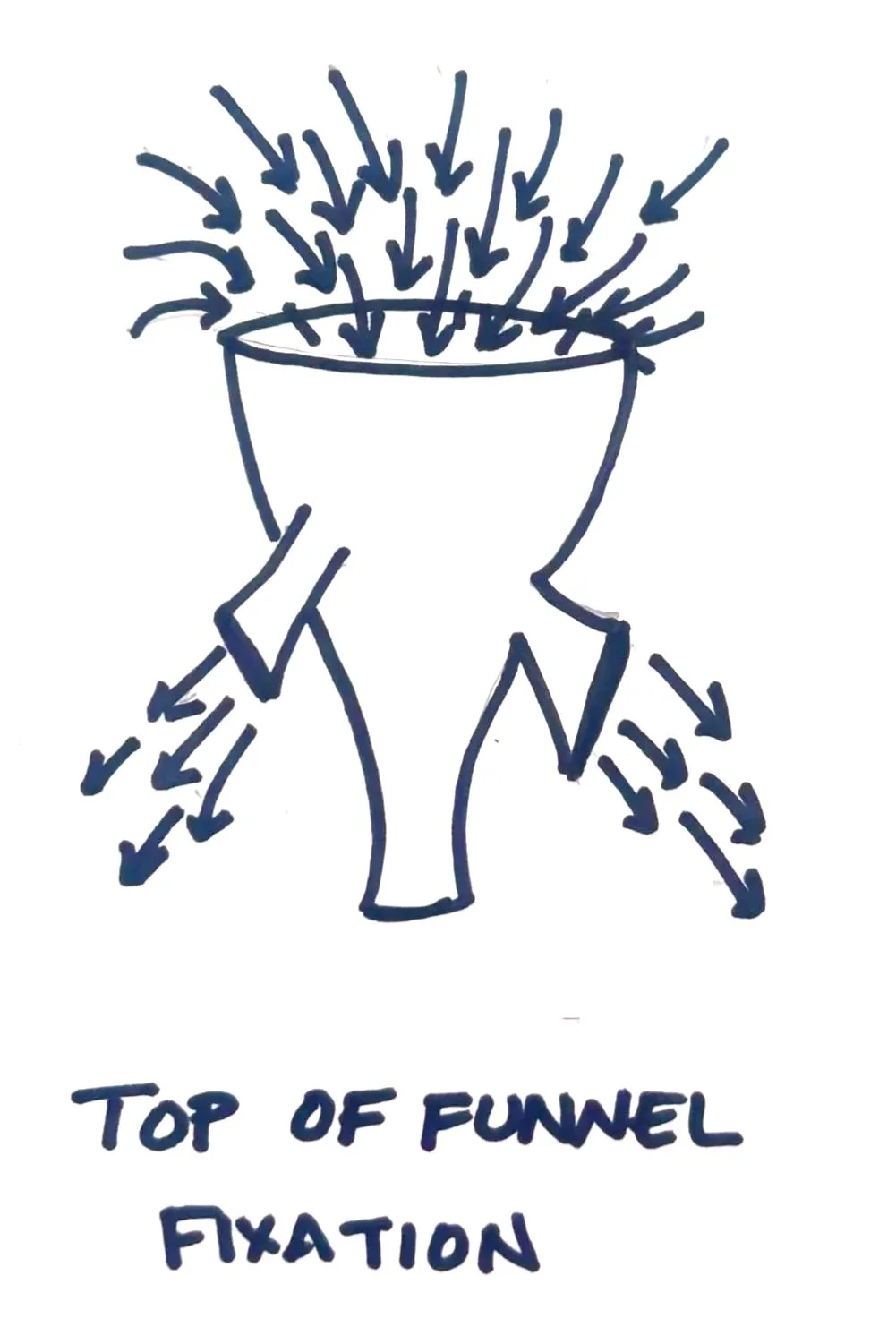
Companies love activity at the top of the funnel because it feels productive and it’s easier to control.
More campaigns, leads, outreach, impressions, and clicks.
Lead generation is visible and measurable. Teams can point to dashboards, click-through rates, impressions, and campaign performance.
And to be fair, growth does require attention and visibility. But many organizations become so focused on generating leads that they are blind to what happens after a customer raises their hand.
Organizations pour money and energy into the top of the funnel while ignoring the friction points further down the journey. They focus on generating more demand instead of understanding why existing opportunities are stalling, disappearing, or failing to convert.
People enter the process interested and engaged, then disappear somewhere between first contact and long-term relationship. Not because they dislike the solution, but because friction compounds throughout the customer journey.
Funnel Trap #2: The Map Trap
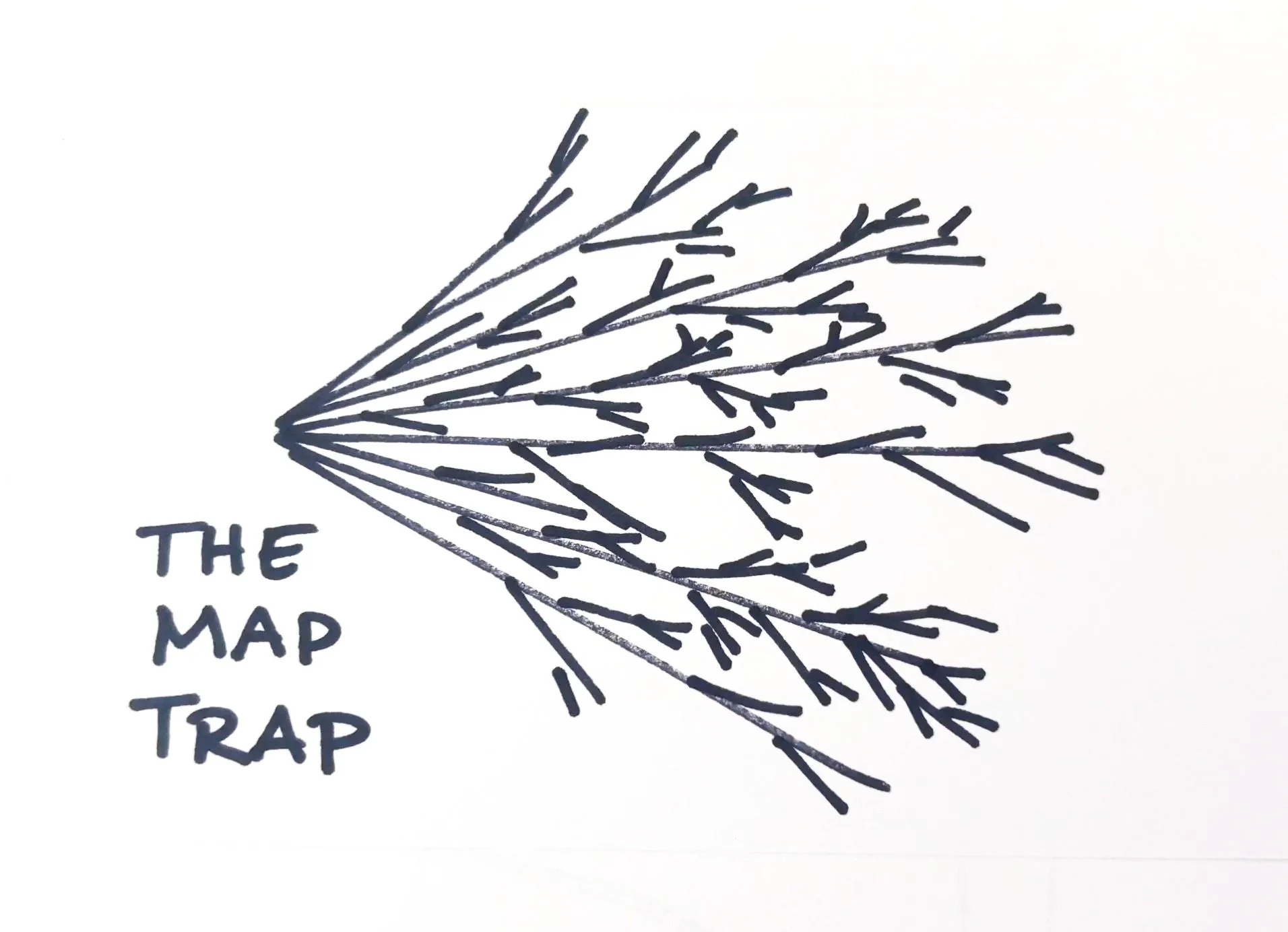
“I need to document everything.”
This is where many teams freeze before they even begin.
No journey map exists.
Starting feels overwhelming.
There are too many variations.
Nobody agrees on what “good” looks like.
Questions about ownership and accuracy become political.
Teams worry they do not have enough data.
Or worse, they worry the journey map will expose problems they would rather not confront.
You don't need to create a perfect map. Start simple.
Document the most common customer journey first. Focus on the typical path customers take through your funnel, not every possible exception or edge case. If the process gets too complicated, that is a sign to pull back and reduce complexity rather than add more detail.
You do not need complete data to begin. If there are gaps in your understanding, acknowledge them and move forward. Journey mapping is meant to create visibility, not perfection.
And if the exercise exposes friction, confusion, delays, or internal dysfunction, that is not failure. That is the point. Discovering problems is a win because it gives you the opportunity to improve the experience before more customers encounter the same issues.
Funnel Trap #3: The Company-First Trap
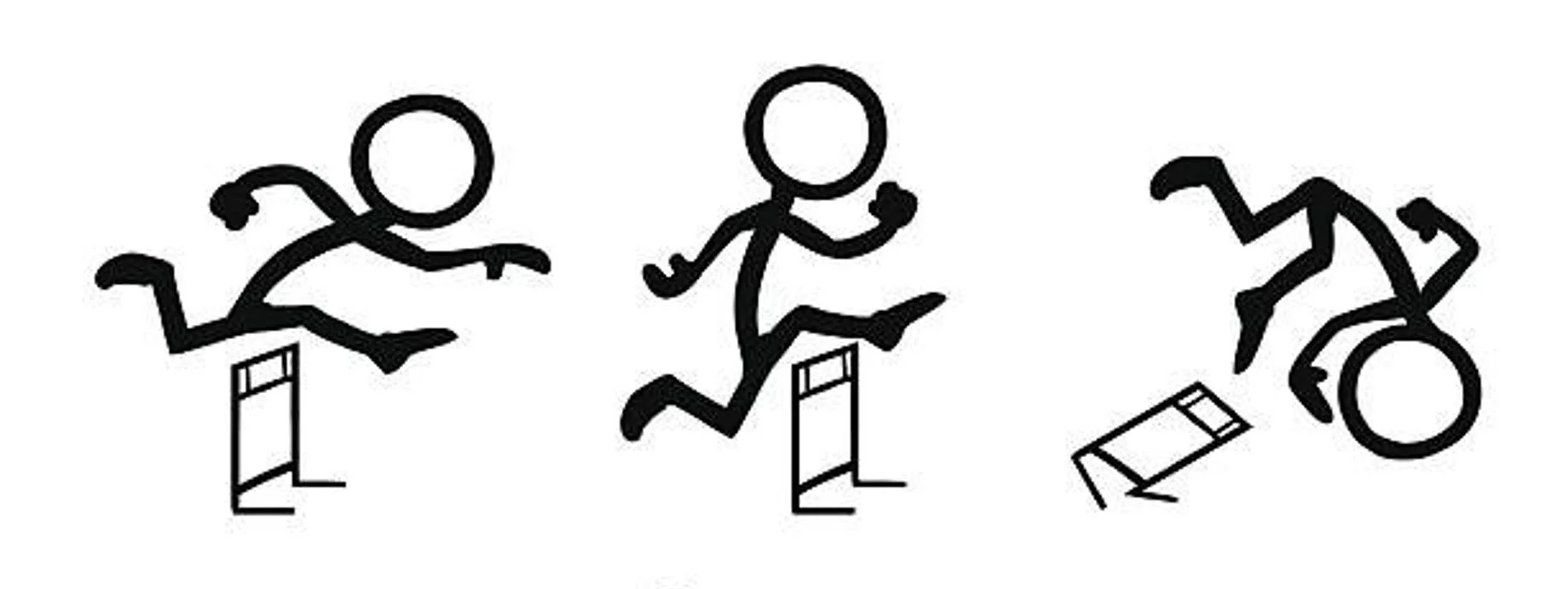
Many companies design their funnel around operational requirements. Processes get built around departmental ownership, reporting structures, approval chains, CRM requirements, or operational efficiency. Over time, the business adapts to those systems and stops noticing the friction they create externally.
But customers are not moving through your funnel thinking about your internal workflows. They are trying to accomplish something. They are evaluating risk. They are looking for confidence, clarity, speed, reassurance, momentum, trust, or proof that you understand their problem.
That’s why documenting the steps alone is not enough. The most dangerous friction points are often invisible internally because the business has adapted to them operationally. The customer has not.
A useful customer journey framework doesn’t just identify what the customer does at each stage. It also identifies how they feel, what they want, and what they don't want.
Those goals and frustrations reveal the friction points that cause people to stall, disengage, or leave the funnel entirely. They also reveal opportunities to plug your leaky funnel.
Customers are not evaluating how efficiently your organization operates internally. They are evaluating whether it feels easy and worthwhile to move forward.
Funnel Trap #4: The Death Trap
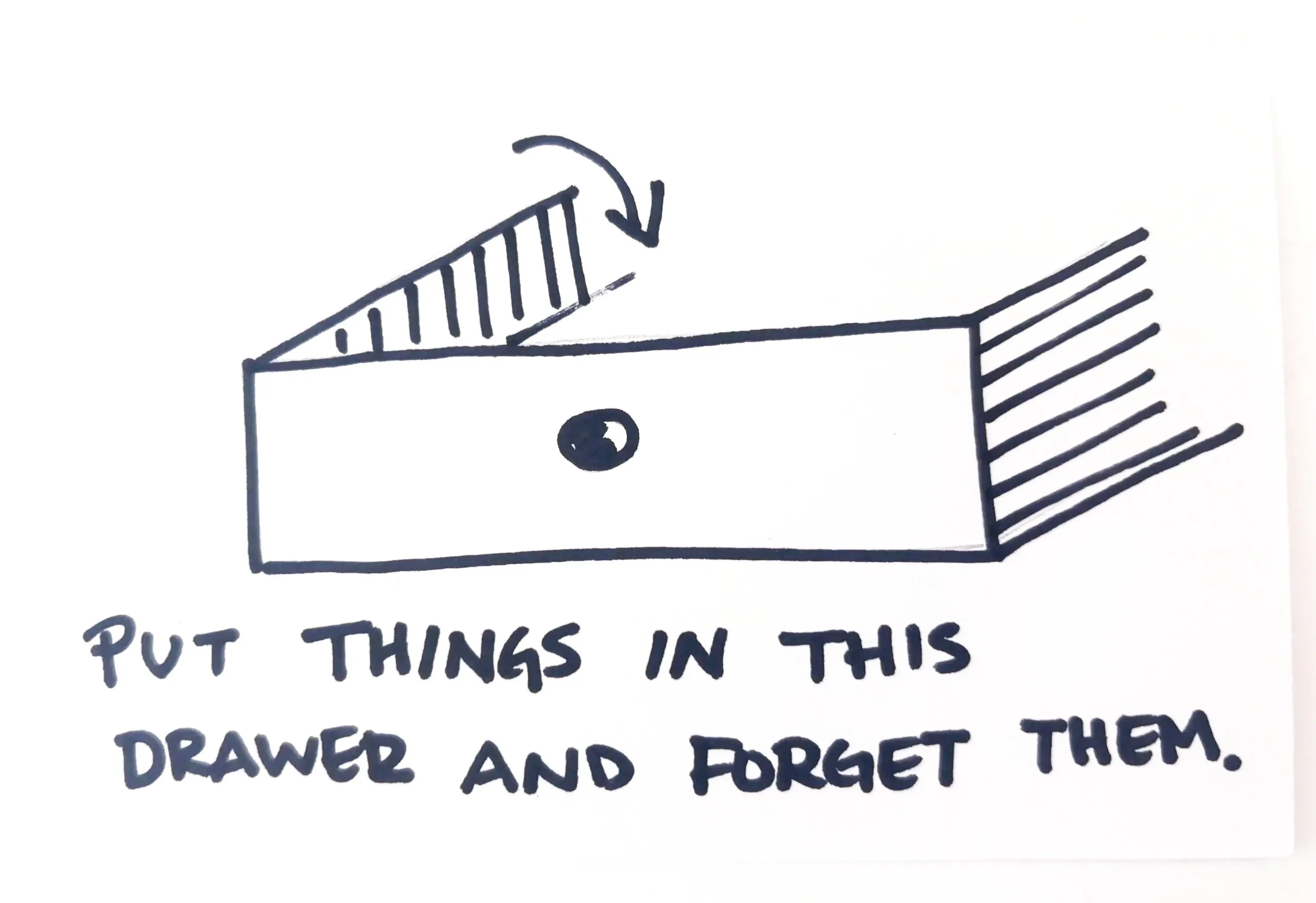
Create it, then forget about it.
Organizations often treat customer journey mapping like a one-time strategy exercise. The journey document gets completed, presented, saved somewhere, and forgotten.
But the customer journey is not static.
Your buyers change. Your team changes. Your services evolve. Market expectations shift. New friction appears.
The journey map should be a living operational tool that helps continuously identify breakdowns, align around customer needs, and prioritize improvements.
Otherwise, your organization drifts back into internal thinking, where operational convenience outweighs customer experience.
A Simpler Way to Look at the Funnel
There are plenty of examples online for user journeys and sales funnels. The important thing is not the template. The important thing is learning to see the customer experience more clearly.
I like to think about the journey in five stages:
Entice
Enter
Engage
Exit
Extend
At each stage:
document the customer’s interactions and experiences
identify what they are trying to accomplish
notice moments that feel positive, motivating, or reassuring
identify moments that feel frustrating, confusing, slow, or discouraging
explore opportunities to reduce friction and improve the experience
This shifts the conversation away from internal process documentation and toward customer experience.
The Funnel Is a Mindset
To grow sustainably, your company may not need more leads. It may need a better customer experience.
If you’ve never mapped your customer journey before, start simple. Pick one common customer path and walk through it from the customer’s perspective instead of your company’s. You will almost certainly find friction you didn’t know existed.
And if you want help diagnosing where your funnel is leaking, I'm here.
Keep Reading