Helping Zero to Three move from strategy to shared behavior
“Thanks so much, Deb, for leading us through another critical working session! Your ability to distill conversation into action and keep us thinking strategically in service of long-term success is inspiring - and just what we needed to keep the work moving forward.”
The Situation
Zero to Three is a national nonprofit dedicated to ensuring all babies and toddlers have a strong start in life. Its marketing and communications team supports a complex mix of programs, initiatives, and audiences - from policy and advocacy to direct services and education.
Over time, this complexity led to a house of brands structure, with individual initiatives operating under distinct identities. While this approach supported autonomy, it also created fragmented messaging and inconsistent audience experiences, making it harder to clearly communicate the organization’s mission and values.
The Challenge
Zero to Three made a strategic decision to shift to a unified branded house — One ZTT — to strengthen clarity, cohesion, and long-term brand equity.
The challenge wasn’t the decision itself. It was helping a team of approximately 20 marketing and communications professionals:
Understand the why behind the new brand structure
Let go of legacy ways of working tied to individual initiatives
Translate brand strategy into new behaviors, goals, and workflows
Without shared understanding and alignment, the risk was that the new brand would exist on paper, but not in practice.
The Approach
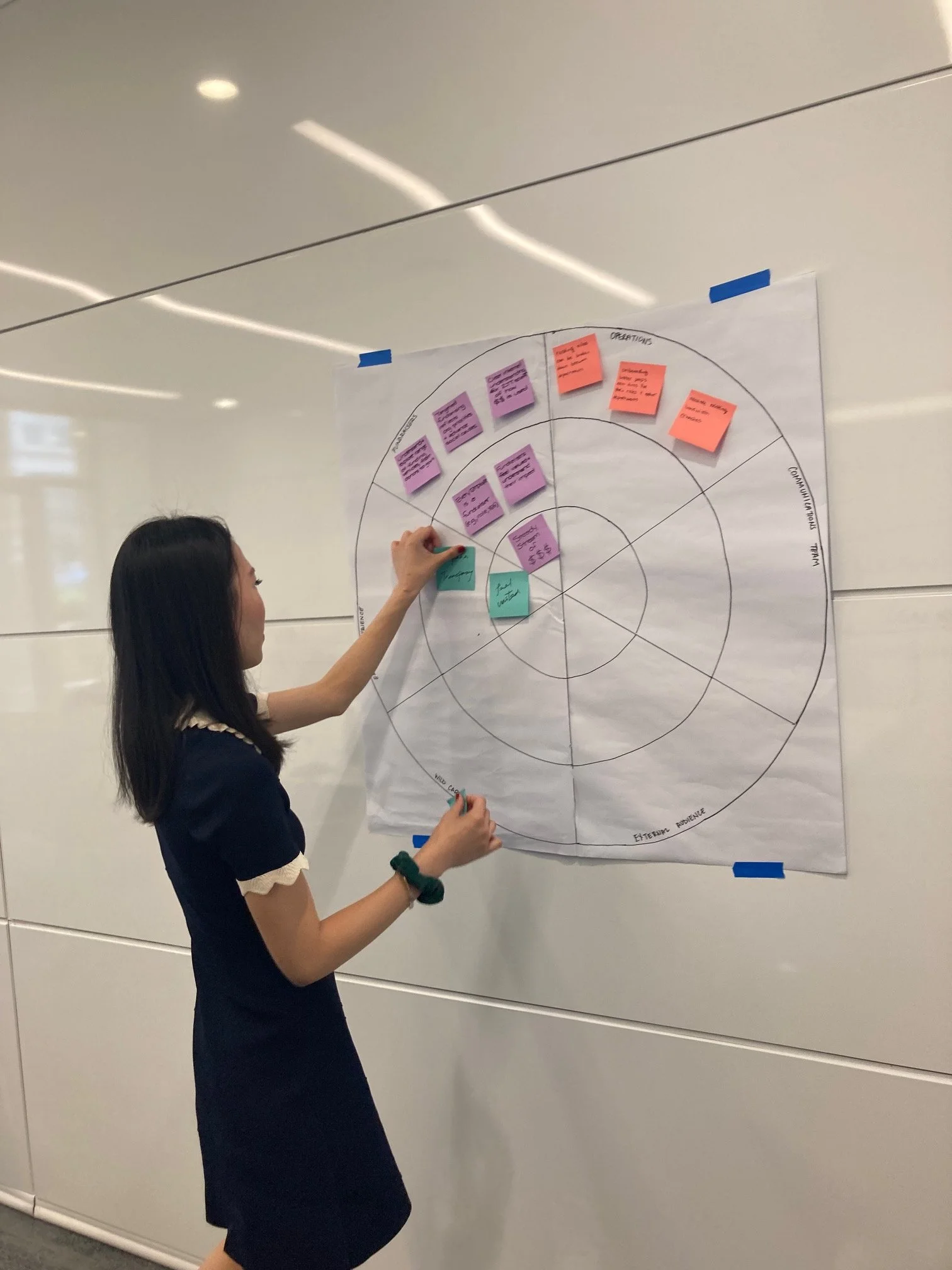
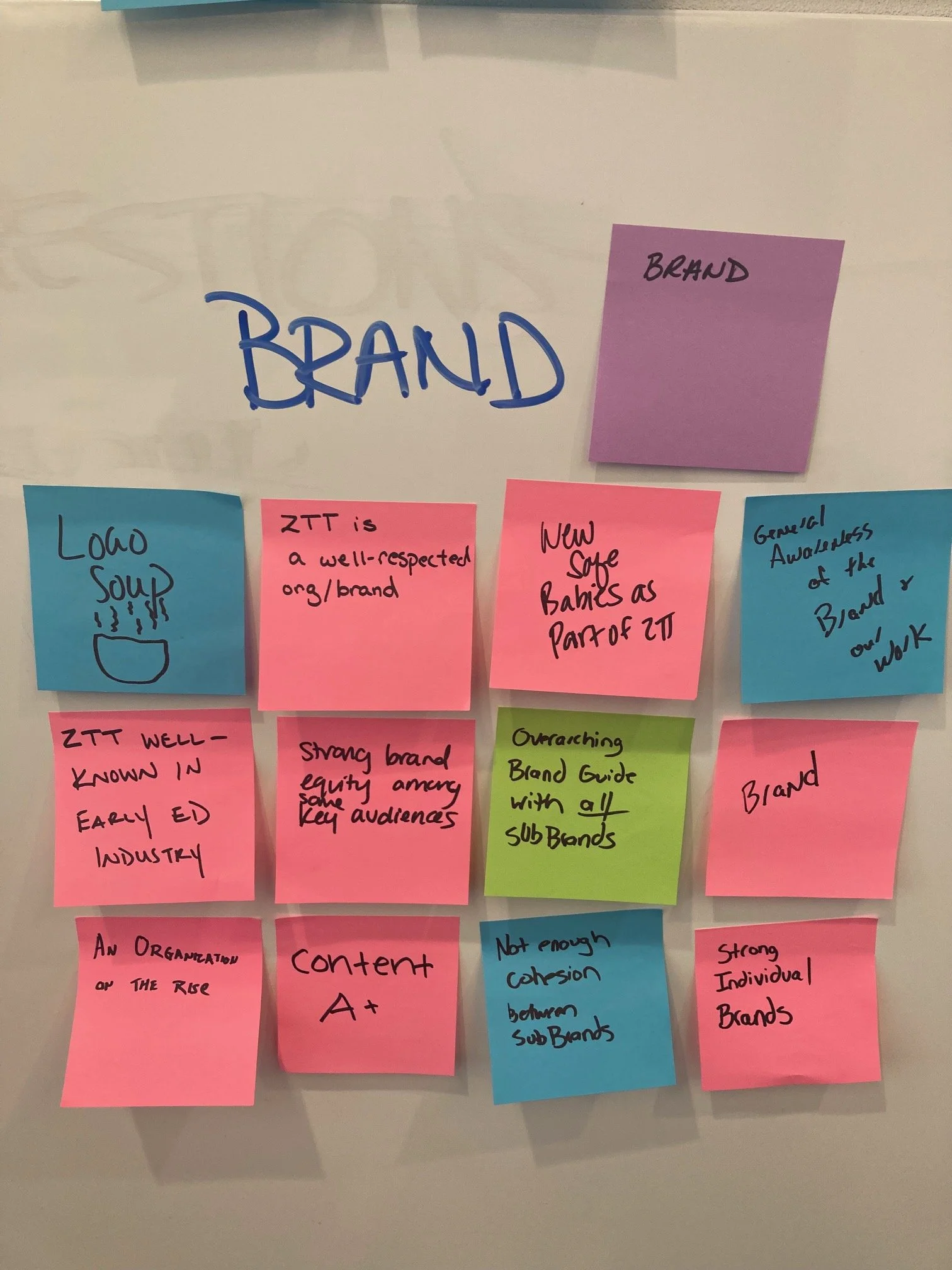
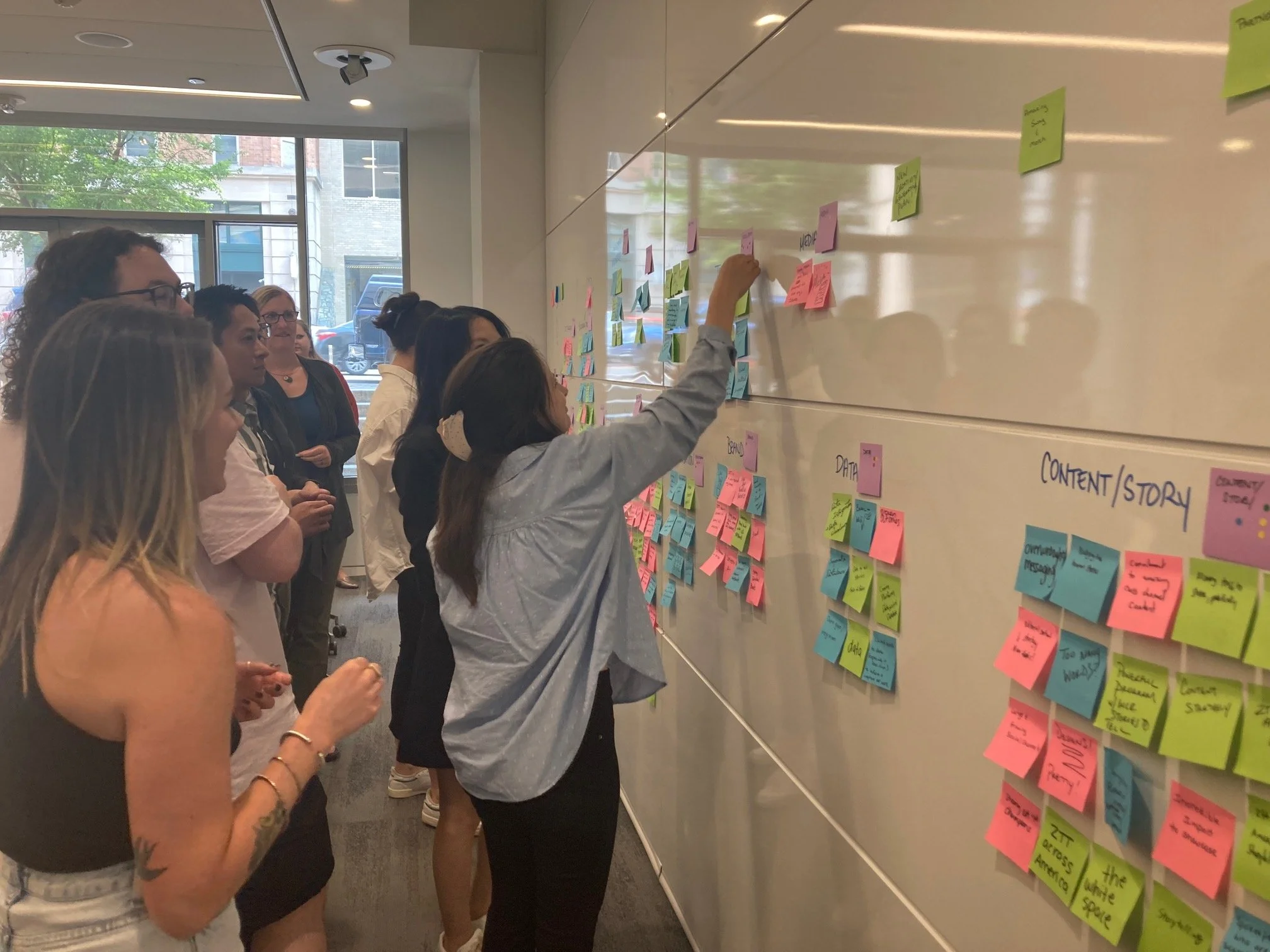
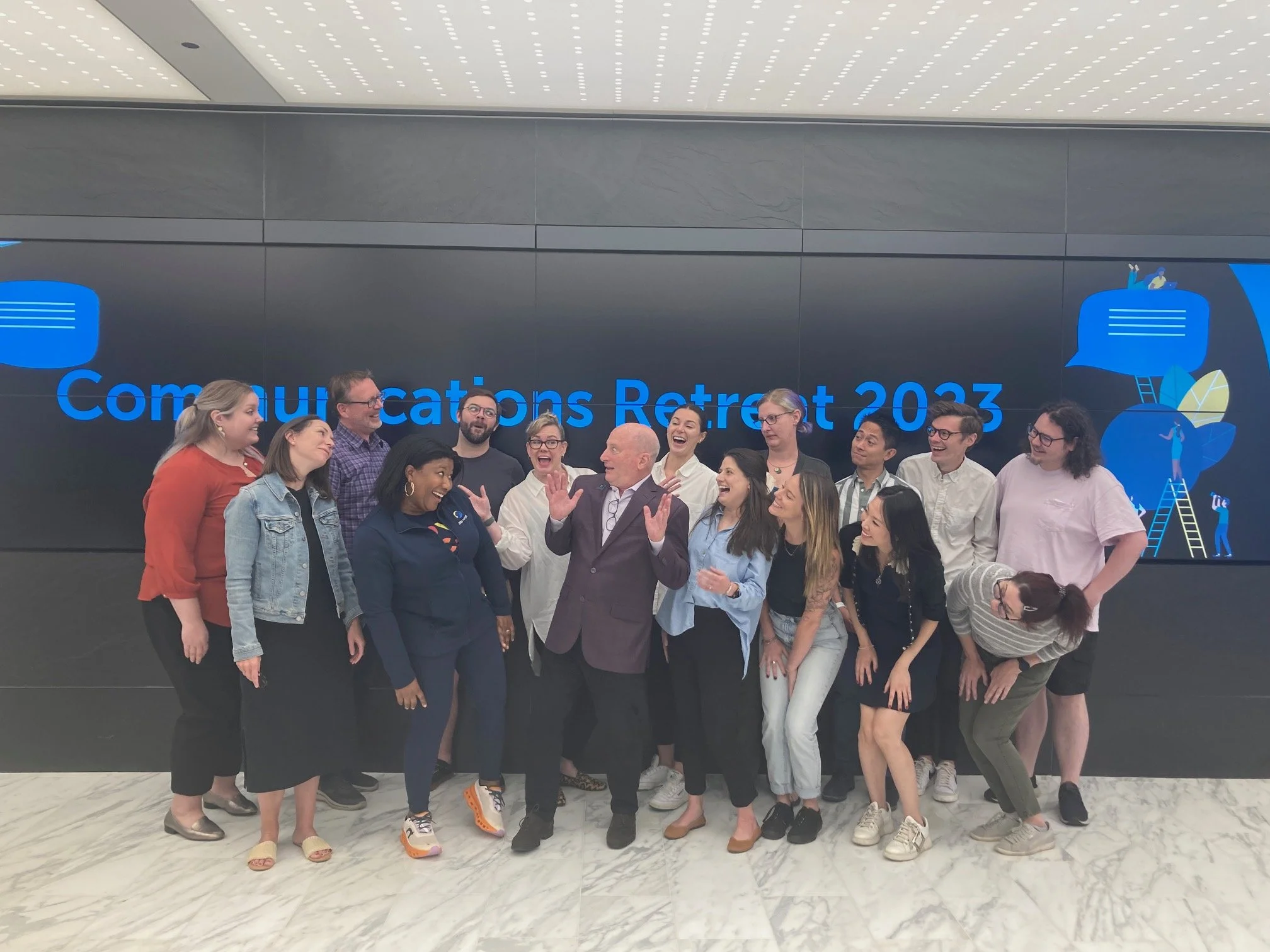
I designed and facilitated a multi-day retreat to bridge strategy and execution.
First, I grounded the team in the logic of a branded house — explaining how a unified brand strengthens audience trust, simplifies decision-making, and amplifies impact across programs.
From there, I guided the group through structured exercises that helped them:
Envision how One ZTT should show up in day-to-day work
Identify which behaviors, processes, and success metrics needed to change
Align individual and team goals to the new brand direction
Following the retreat, I provided hands-on support to help the team apply these insights to planning, workflows, and cross-functional collaboration.
The Results
The engagement helped Zero to Three move from brand strategy to organizational alignment.
Outcomes included:
A shared understanding of One ZTT and what it required in practice
Clearer, more consistent brand voice across initiatives
Brand-informed workflows that reduced siloed decision-making
OKRs aligned to strategic outcomes, not just executional tasks
A marketing and communications team operating as a cohesive growth driver for the organization
The result was not just a new brand structure — but a team equipped to live it.